
Extra Long Screws
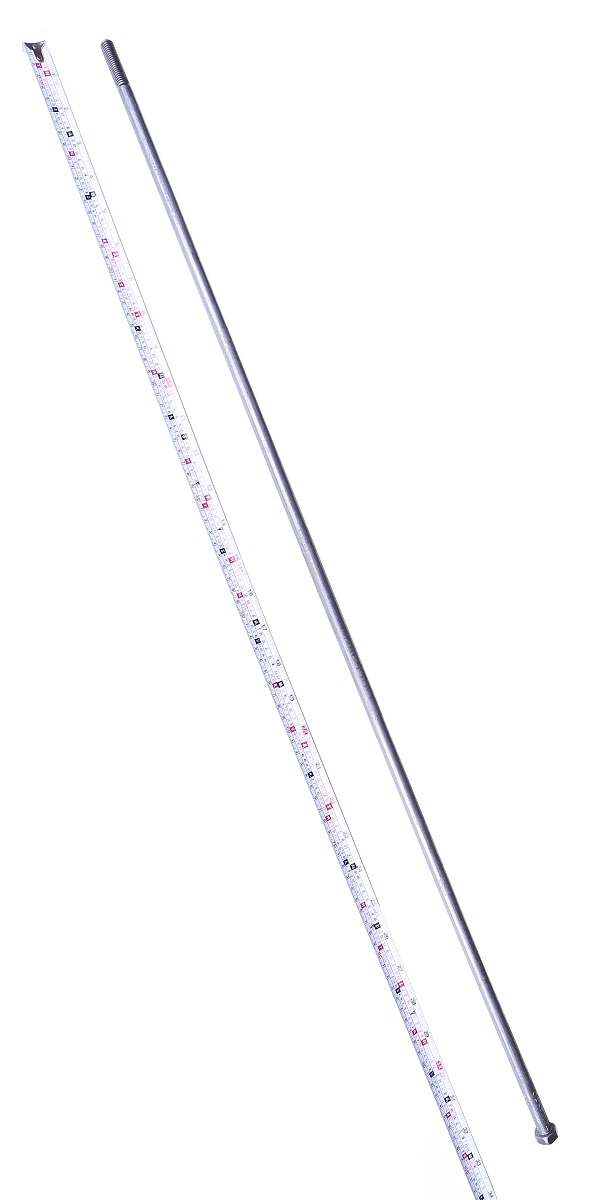 Extra Long ScrewsExtra Long Screws
Outside Diameter
M3 ~ M12,
Length 170mm ~ 1500mm
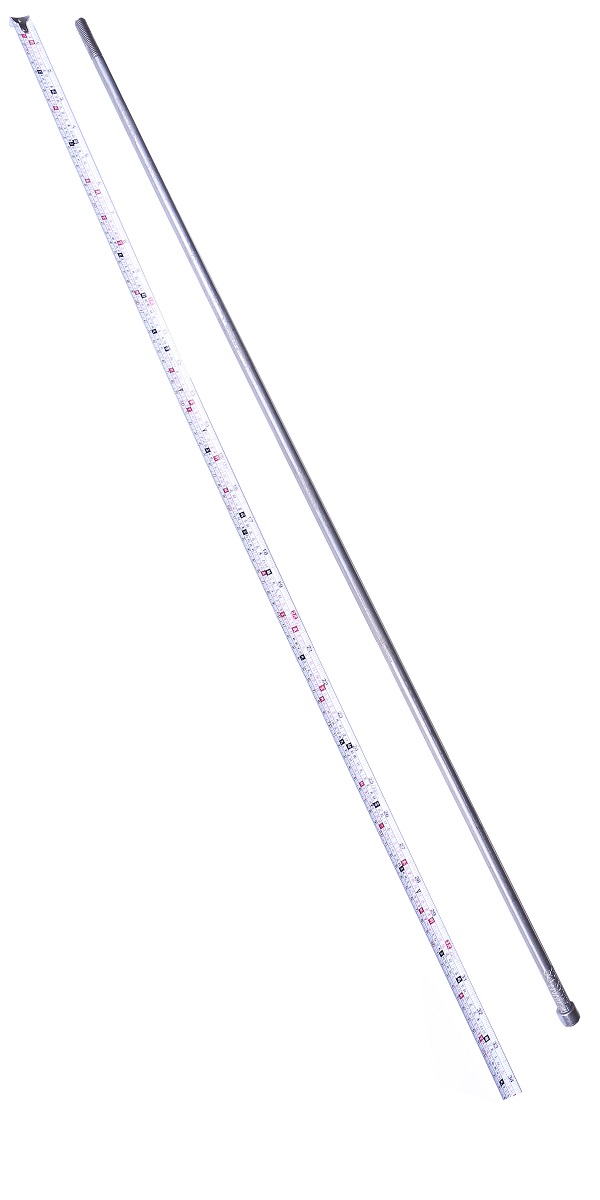 Extra Long ScrewsExtra Long Screws
Outside Diameter M3 ~ M12, Length 170mm ~ 1500mm
Extra Long Screws for Extended-Reach Fastening
Extra long screws are used when standard-length fasteners cannot reach through an assembly or engage the required fastening point. Selecting the right screw involves more than choosing a longer length: thread engagement, shaft alignment, head access, material requirements, and installation conditions all affect the specification.
Pi Chan Metal Co., Ltd. lists extra long screws with nominal diameters from M3 to M12 and lengths from 170 to 1500 mm. For a specific project, submit a drawing showing the required dimensions and application so the proposed configuration can be reviewed.
For an overview of the company and its product categories, visit Pi Chan Metal Co., Ltd..
Extra Long Screw Specification Overview
Use the following information as a starting point for an inquiry. The listed range does not mean that every diameter, length, material, and head configuration is available in combination.
| Specification | Listed Range or Information to Confirm |
|---|---|
| Nominal diameter | M3–M12 |
| Length | 170–1500 mm |
| Diameter and length combination | Confirm against the requested drawing |
| Thread pitch | Specify the required pitch |
| Threaded length | Indicate fully threaded or partially threaded construction |
| Head and drive | Provide dimensions, tool interface, and access requirements |
| Material and finish | State the required grade and surface treatment for review |
| Tolerances | Define critical dimensions and acceptance criteria |
| Quantity and delivery | Provide order quantity and required delivery date |
A dimensioned drawing helps distinguish overall length, under-head length, and threaded length. These measurements should be identified separately to prevent quotation and assembly errors.
How to Select the Correct Screw Length
Start with the complete assembly rather than the screw alone. Identify the thickness of each component, any washers or spacers, and the required engagement with the mating thread or nut.
For a screw entering a tapped hole, confirm both usable thread depth and clearance at the bottom of the hole. A screw that bottoms out may feel tight before the components are properly clamped.
For an assembly secured with a nut, specify the component stack thickness, nut arrangement, and permitted thread projection. Also check whether the projecting end could interfere with nearby parts.
| Assembly Detail | What to Specify | Why It Matters |
|---|---|---|
| Component stack | Combined thickness of parts, washers, and spacers | Establishes the required reach |
| Mating connection | Tapped hole, nut, or another fastening arrangement | Determines thread requirements |
| Engagement | Required usable thread engagement | Helps define the threaded section |
| End clearance | Available space beyond the connection | Helps prevent interference |
| Length reference | Overall or under-head measurement | Prevents dimensional ambiguity |
| Installation access | Tool approach and surrounding clearance | Helps determine head and drive suitability |
Fully Threaded or Partially Threaded Extra Long Screws?
Thread coverage should match the function of the assembly. A fully threaded design provides threads along most of the shaft, while a partially threaded design includes an unthreaded section.
Neither configuration is automatically better. The drawing should identify where threads are needed and whether an unthreaded section must pass through particular components.
| Configuration | Design Consideration | Information Required |
|---|---|---|
| Fully threaded | Threads extend along most of the shaft | Required thread length and end details |
| Partially threaded | An unthreaded section forms part of the shaft | Thread length, shank length, and shank diameter |
| Special thread arrangement | Thread position follows a specific assembly design | Complete dimensions and mating-part details |
If your project requires a nonstandard shape or thread arrangement, see the special screw manufacturer page and include the relevant details in your inquiry.
Material, Finish, and Installation Requirements
State the required material grade instead of using a broad description such as “steel” or “stainless steel.” The specification should reflect the required mechanical properties and service environment.
Surface treatment should also be identified clearly. If appearance, corrosion resistance, coating thickness, or compatibility with mating threads matters, include the relevant requirements in the drawing or purchasing specification. Material and finish availability must be confirmed for the requested screw configuration.
Installation conditions deserve particular attention with long fasteners. Specify alignment requirements, supported and unsupported sections, and the intended tightening method. Avoid using the screw to force misaligned components into position.
For wood fastening projects, review the wood screw manufacturer page to help identify the appropriate product category before submitting a request.
Inspection and Packaging Points to Define Before Ordering
Clear acceptance criteria help buyers and suppliers evaluate the same features. For extra long screws, identify the dimensions that directly affect assembly and describe how they will be checked.
The following are inspection topics to discuss; they are not a statement that every test or document is included with every order.
| Item | Requirement to Agree |
|---|---|
| Length | Measurement reference and allowable variation |
| Thread | Diameter, pitch, tolerance, and inspection method |
| Straightness | Allowable deviation and measurement method |
| Head and drive | Critical dimensions and fit requirements |
| Surface condition | Acceptable finish and defect limits |
| Documentation | Required material or inspection records |
| Packaging | Protection against bending, impact, and surface damage |
Packaging requirements should consider how the screws will be transported, stored, and removed from their containers. Include any restrictions on bundle size or handling.
Request a Quote for Extra Long Screws
A complete inquiry helps reduce follow-up questions and makes quotations easier to compare.
Send your drawing together with the information below:
| Inquiry Item | Details to Provide |
|---|---|
| Drawing | Drawing number, revision, dimensions, and units |
| Size | Nominal diameter, pitch, and required length |
| Thread coverage | Threaded length and unthreaded sections |
| Head and drive | Type, dimensions, and tool requirements |
| Material and finish | Required grade and surface treatment |
| Application | Mating components and operating environment |
| Quantity | Initial order and estimated repeat demand |
| Acceptance requirements | Tolerances, inspection, and documentation |
| Delivery | Destination and requested delivery date |
Use Contact Pi Chan to submit your requirements and confirm manufacturing feasibility, pricing, and delivery arrangements.
Extra Long Screws FAQ
What Are Extra Long Screws?
Extra long screws are fasteners selected when a standard-length screw cannot provide the required reach. There is no single length that defines every extra long screw; the description depends on the screw type and application. Buyers should specify an actual diameter, length, thread, and head configuration.
What Sizes Does Pi Chan List?
Pi Chan lists nominal diameters from M3 to M12 and lengths from 170 to 1500 mm. Confirm the exact combination before ordering. A published range should not be interpreted as confirmation that every size is stocked or that all configurations are manufacturable.
Can I Request a Specific Length?
Include the required length in your inquiry and show its measurement reference on the drawing. Pi Chan will need to confirm feasibility for the complete specification, including diameter, thread coverage, head configuration, material, and quantity.
How Should I Specify Screw Length?
State whether the dimension is overall length or under-head length. Length conventions vary with head geometry, so a drawing is the clearest reference. Show threaded length separately, particularly when the screw includes a long unthreaded section.
Does a Longer Screw Provide Greater Strength?
Length alone does not establish fastening strength. Performance depends on the material, diameter, thread engagement, joint design, loading, and installation conditions. Choose the screw to meet the assembly requirements rather than assuming that additional length improves the connection.
Are Extra Long Screws and Threaded Rods Interchangeable?
They should not be treated as interchangeable without checking the design. A screw typically includes a head or drive feature, while threaded rod commonly uses nuts for fastening. Head seating, available installation space, thread coverage, and the assembly method can differ.
Can Extra Long Screws Be Used for Structural Connections?
Structural suitability must be established for the specific product and connection. Confirm the required mechanical properties, applicable specifications, design loads, and supporting documentation. The diameter and length range alone does not demonstrate structural approval.
What Should I Check if a Long Screw Is Difficult to Install?
Check component alignment, thread compatibility, usable hole depth, and available clearance before applying additional force. Confirm that the screw is not bottoming out and that the driver fits correctly. Installation requirements should be agreed for the actual assembly.
What Are the Minimum Order Quantity and Lead Time?
Confirm these details when requesting a quotation. They may vary with the drawing, material, manufacturing requirements, quantity, and production schedule. Provide your required delivery date so availability can be assessed against the project timeline.